
The Crossroads of Flambeau Country
Ingram is one of Rusk County’s smallest villages, but its story is bigger than its population: Ingram-Glen Flora Bluejay roots, a Soo Line railroad station, a pine-logging namesake, an early sawmill settlement, a Main Creek tributary setting, Highway 8 and Highway 73 access, Ingram Days, and direct connection to the hunting, fishing, paddling, trail, and forest country of eastern Rusk County.
This page brings practical Village information, Ingram history, local businesses, events, outdoor access, official contacts, school connections, recreation planning, and Chamber investor pathways into one clean Ingram hub.
Ingram is not a large community, but it is a real one. It has Village Hall, elected officials, Ingram Days, Highway 8 and Highway 73 access, a railroad and sawmill origin story, local businesses, sportsman traffic, and a natural connection to the Flambeau River State Forest and Rusk County Forest.
This page is built to serve residents and visitors at the same time. Residents need Village contacts, polling information, elected officials, local services, businesses, events, schools, and official resources. Visitors need to understand why Ingram matters: Ingram Days, hunting, fishing, forest access, off-sale supplies, Highway 8 travel, Highway 73 access, and the old timber-and-rail story that created the village.
The community is the hero. This page reflects Ingram, not just the Chamber. The goal is to make Ingram easier to find, easier to understand, easier to support, and harder to overlook.
Ingram’s value comes from a combination of school memory, history, and practical location. The village began with rail and timber, grew around sawmill work and a schoolhouse, and today sits as a useful stop between communities, roads, and forest recreation.
Ingram was established in 1885 and named after O.H. Ingram, an early pine logger and partner in the Chippewa Logging Company. The Soo Line railroad created Ingram station in the 1880s, and the village belongs to the east-west chain of Rusk County rail communities that also includes Weyerhaeuser, Bruce, Ladysmith, Tony, Glen Flora, and Hawkins.
By 1891, Ingram was described as a small but working settlement on a tributary of Main Creek with a post office, a railroad station, about fifty residents, an early sawmill, and a schoolhouse. That is the shape of Ingram’s beginning: creek, rail, mill, school, and forest work.
Today, Ingram is practical and outdoors-facing. It sits along U.S. Highway 8, Wisconsin Highway 73, and County Road B, with access toward Rusk County Forest, the Flambeau River State Forest, hunting country, fishing water, grouse and bear country, and local businesses that matter to residents and sportsmen.
A modern Ingram page can do more than look nice. It can make official information easier to reach, strengthen local business visibility, promote Ingram Days, support hunting and fishing traffic, connect visitors to the forest, and give the Village a stronger public presence.
Ingram offers a practical rural life with direct access to roads, woods, water, village contacts, nearby schools, Rusk County services, outdoor recreation, and a small-town rhythm that still feels connected to its logging, railroad, and sportsman roots.
At a population of 70 in 2020, Ingram is not pretending to be something it is not. Its strength is scale: direct contacts, familiar roads, practical services, and a clear rural identity.
Ingram sits along U.S. Highway 8, Wisconsin Highway 73, and County Road B, making it a practical stop for residents, sportsmen, workers, travelers, and nearby communities.
Hunting, fishing, bear country, grouse cover, Rusk County Forest, and Flambeau River State Forest access give Ingram a strong outdoor and sportsman identity.
Ingram-Glen Flora’s old school identity is remembered through the Bluejays. The blue, navy, white, and silver look gives this page a clean historical nod while still fitting Ingram’s forest-country story.
That Bluejay memory works alongside the complete Ingram story: Soo Line station, O.H. Ingram, sawmill work, Main Creek tributary country, Ingram Days, hunting, fishing, Highway 8, Highway 73, and forest access.
Ingram needs a local directory that is easier to use than scattered posts and more useful than a static list. Residents, hunters, anglers, travelers, forest users, families, and people coming in for Ingram Days should be able to find what they need fast.
Food, supplies, off-sale beverages, services, contractors, lodging nearby, fuel, hunting and fishing support, and local stops all belong in the same Ingram business layer.
Every August, the Village sponsors Ingram Days, a two-day celebration featuring horseshoe and ball tournaments. That matters because events are how small villages stay visible, bring people home, create business traffic, and keep community pride active.
Ingram Days should connect directly to local businesses, sponsors, event listings, photos, updates, teams, volunteers, food, services, and nearby community traffic.
Every small village has details outsiders miss. Ingram has the old railroad and sawmill story, the O.H. Ingram name, the Main Creek tributary connection, Ingram Days, sportsman stops, forest access, local businesses, elected officials, and a rural community identity that should sound like the people who live there.
Local insight helps keep this page accurate, useful, and connected to the residents, business owners, hunters, anglers, event volunteers, former residents, and visitors who understand what Ingram actually is.
Local updates, business news, event information, photos, Ingram Days details, official notices, history notes, hunting and fishing context, visitor tips, and corrections all help keep Ingram represented the right way.
Ingram residents should be able to find the everyday Village information quickly: president, trustees, clerk, treasurer, assessor, Village Hall, polling location, official county source, and local contact paths.
Ingram Village Hall is listed at N5970 State Hwy 73, Ingram, WI 54526. The same location is identified as the polling location for the Village of Ingram.
The official Rusk County page remains the authority source for current elected official information. This Chamber-powered page organizes the same practical contact information in a way that residents, businesses, and visitors can use more easily.
Address: N6100 State Hwy. 73, Ingram, WI 54526
Phone: 715-403-1981
Email: [email protected]
Address: N5969 State Hwy. 73, Ingram, WI 54526
Phone: 715-322-4556
Phone: 414-322-8256
Email: [email protected]
Address: N5828 State Hwy 73, Ingram, WI 54526
Phone: 715-415-4542
Address: N5828 State Hwy. 73, Ingram, WI 54526
Phone: 605-846-3010
Email: [email protected]
Address: N6100 Hwy. 73, Ingram, WI 54526
Phone: 715-559-0436
Address: S11091 County Road W, Eleva, WI 54738
Phone: 715-529-1032
Email: [email protected]
Ingram’s old school identity is remembered through the Ingram-Glen Flora Bluejays. Today, Ingram sits in the same eastern Rusk County community network as Tony, Glen Flora, Hawkins, and surrounding rural areas served by the School District of Flambeau. School identity matters because families, athletics, events, alumni, and rural transportation all connect small communities together.
For the community page, school information should help families find district links while also connecting school traffic back to local businesses, events, and nearby community resources.
Ingram belongs in the outdoor map of eastern Rusk County. This page answers the village-level questions directly, while deeper regional tourism guides can carry detailed maps, river access, trail systems, seasonal safety, and route planning where needed.
Every August, Ingram Days brings the village together for a two-day celebration featuring horseshoe and ball tournaments. It is the local event anchor that should connect to businesses, sponsors, photos, volunteers, teams, and visitors.
View Ingram EventsThe Ingram area is tied to hunting traffic, including whitetail deer, bear, grouse, pheasant, and other wild game. Local businesses and supplies matter because sportsmen need practical stops before and after time in the woods.
Forest & Hunting SectionIngram works as a small stop-off point for fishing trips because of its location among prime recreational land, nearby forest water, local supplies, and road access into the broader Rusk County outdoor network.
Water & Fishing SectionThe Flambeau River State Forest provides backcountry recreation, hiking, ATV and snowmobile trails, campgrounds, rustic river sites, hunting, fishing, and paddling. Ingram is part of the local travel pattern into that forest country.
Forest DetailsRusk County Forest gives the Ingram area another outdoor layer: hunting, forest roads, trail connections, timber land, wildlife habitat, and rural recreation that brings people through small villages.
County Forest ContextWith U.S. Highway 8, Wisconsin Highway 73, and County Road B, Ingram has practical value for travelers, local residents, hunters, anglers, riders, forest users, and nearby communities.
Find Local BusinessesThe main Ingram page should carry the village identity: official contacts, history, Ingram Days, hunting, fishing, forest access, local businesses, roads, and community resources. Deeper regional guides belong to larger topics like the Flambeau River, Rusk County Forest, state forest trail systems, and paddling routes.
Ingram is located among prime recreational land, with direct community identity tied to hunting, fishing, forest access, and practical sportsman stops. The village sits near the Flambeau River State Forest and Rusk County Forest, giving it a natural role in the outdoor visitor path.
The Flambeau River State Forest provides wooded hiking trails, ATV and snowmobile trails, family campgrounds, rustic river sites, hunting, fishing, and paddling. Canoeing is one of the forest’s signature activities, with different river sections offering different difficulty levels.
For Ingram, the value is practical: visitors moving through the area need fuel, food, supplies, off-sale stops, local services, event information, and clear routes back to businesses that support the outdoor economy.
Local note: Forest and hunting information should be useful without guessing access. Check current DNR, county, and local sources for seasons, regulations, maps, trail status, public access, and safety conditions.
Early descriptions placed Ingram on a tributary of Main Creek, with a post office, railroad station, sawmill, and schoolhouse. That creek-and-rail setting is part of the town’s origin, and it still gives the village a natural connection to fishing, forest water, and Rusk County outdoor travel.
The deeper water guides can carry paddling routes, verified public access, river levels, safety notes, and larger Flambeau River tourism details. This Ingram page keeps the local connection clear and sends visitors into the right larger guide when they need route-level detail.
This page answers the core Ingram questions directly. The linked guide paths extend the trip planning where deeper information helps: Flambeau River access, Rusk County Forest, state forest trails, paddling, hunting, fishing, seasonal use, and regional visitor planning.
The Flambeau River and surrounding forest country give the Ingram area a larger recreation connection for paddling, fishing, hunting, camping, scenic drives, and regional visitor planning.
Open River GuideRusk County Forest, hunting land, forest roads, wildlife habitat, trail planning, and public access should connect Ingram to the broader outdoor visitor network.
Open Forest GuideIngram’s local sportsman story includes supplies, off-sale stops, deer, bear, grouse, pheasant, fishing, and road access into prime recreation land.
Open Sportsman GuideIngram Days, horseshoe tournaments, ball tournaments, community activity, teams, volunteers, sponsors, and local business visibility all belong in the event network.
View Ingram EventsThe village works year-round because the same assets change purpose: highway access, hunting seasons, fishing trips, forest roads, local businesses, Ingram Days, Village contacts, snowmobile planning, and regional outdoor traffic.
Spring brings road checks, water planning, fishing activity, property work, and early-season recreation research.
Summer brings Highway 8 traffic, forest trips, fishing, local stops, events, and August Ingram Days.
Fall is when whitetail, bear, grouse, public land, supplies, food, off-sale, and local services become especially important.
Winter brings snowmobile planning, road conditions, resident services, local businesses, and forest travel that depends on current conditions.
Helpful links should be organized by purpose so residents do not have to guess where to click and visitors do not leave the Ingram network before finding local businesses, events, guides, and official resources.
Use the official Rusk County local community page for current Village contacts, elected officials, and polling location information.
Official PageFind local services, supplies, sportsman stops, contractors, event support, off-sale, and resident resources.
Find BusinessesFind Ingram Days, tournaments, community gatherings, local events, and Chamber-connected event listings.
View EventsUse Wisconsin DNR resources for maps, conditions, recreation information, camping, paddling, hunting, fishing, and official forest rules.
DNR Forest PageIngram’s history is one of the clearest small-village origin stories in eastern Rusk County: the Soo Line came through the wilderness, a station was established, the settlement was platted, sawmill work followed, and a schoolhouse marked the village as more than a work camp.
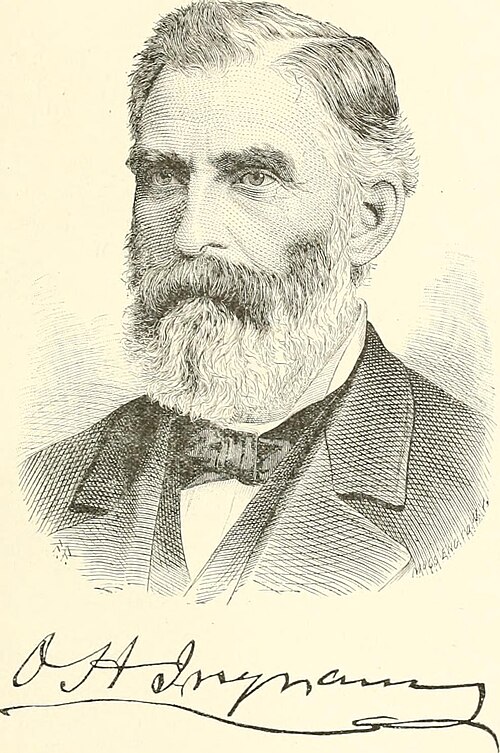
Ingram was established in 1885 and named after O.H. Ingram, an early pine logger and partner in the Chippewa Logging Company. Orrin Henry Ingram was a major Chippewa Valley lumber figure, and his name gives the village a direct connection to Wisconsin’s pine-logging and sawmill economy.
The Soo Line built through the wilderness that became eastern Rusk County in 1884. Early steam engines needed frequent stops, and Ingram station was created between Glen Flora and Hawkins. That station became the seed of the community.
By 1891, Ingram was described as being on a tributary of Main Creek, with a post office, railway station, about fifty residents, a schoolhouse, and a stream sawmill operated by the French Lumbering Company after it was built by F. Turcot and sold in 1890.
Before Ingram became a village, the area was part of the forested interior of what became Rusk County, shaped by timber, creeks, tributaries, and the logging economy moving through the Chippewa and Flambeau systems.
The Minneapolis, St. Paul and Sault Ste. Marie Railroad built through the wilderness from Ladysmith toward Sault Ste. Marie. Steam engines needed regular stops, and Ingram station became one of those important points.
The village was established in 1885 and named after O.H. Ingram, an early pine logger and partner in the Chippewa Logging Company. That gives the village a name rooted directly in the timber economy.
Ingram was surveyed and platted in September 1888, turning the station settlement into a more formal village layout.
An extensive stream sawmill built by F. Turcot was sold in 1890 to the French Lumbering Company of Chippewa Falls. The mill helped define Ingram as a working timber settlement.
By 1891, Ingram was described as a small but active settlement on a tributary of Main Creek. The sawmill was reported to have a capacity of about 40,000 feet per day, and the community included a schoolhouse.
As timber was cut and the economy shifted, communities like Ingram became service points for nearby farms, roads, small businesses, schools, and the rural families building life on cut-over land.
Rusk County’s small communities were hit hard during the Depression, including bank failures in towns such as Ingram. The history matters because it shows how much grit was required for small villages to keep going.
Today, Ingram is a small Village with a practical role: Village services, local businesses, Ingram Days, Highway 8 and Highway 73 access, hunting, fishing, Rusk County Forest, Flambeau River State Forest, and the old timber history that still explains why the village exists.
The better story is this: Ingram is a Soo Line station village named for a major lumberman, built on Main Creek tributary country, shaped by a sawmill and schoolhouse, hardened by the same economic shifts that changed Rusk County, and still useful today as a Highway 8 / Highway 73 stop for residents, sportsmen, forest visitors, and people who understand the value of small places.
Each nearby community has its own identity, businesses, events, schools, outdoor access, and local story. Ingram stands out as a small Soo Line / O.H. Ingram / forest-country village while still connecting naturally to the broader Rusk Area community network.