
Gateway to the Flambeau State Forrest!
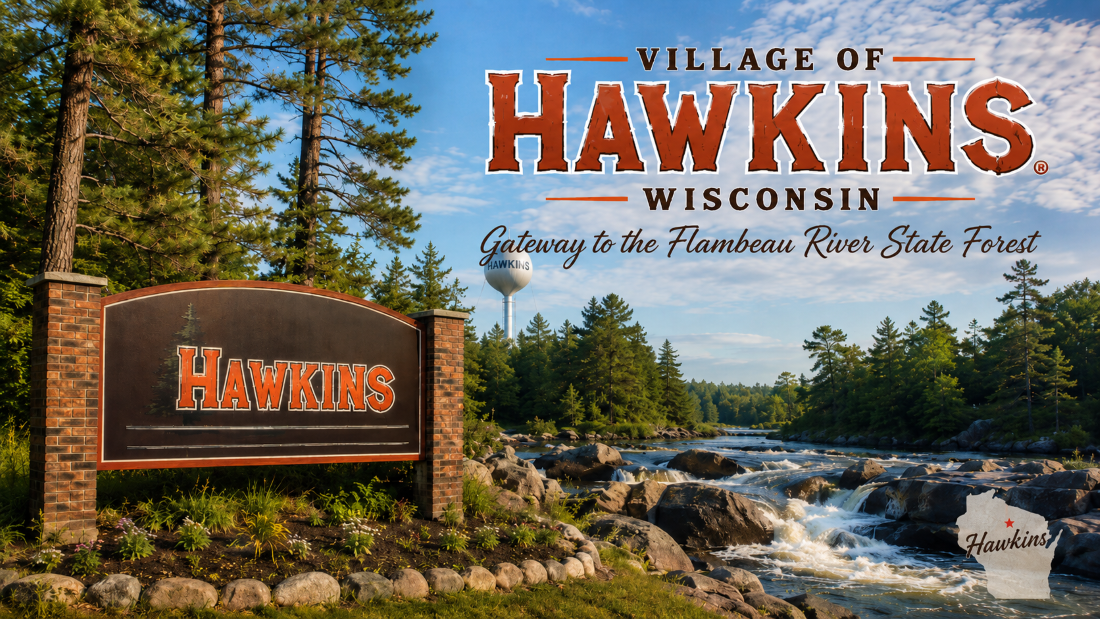
Hawkins is a small Rusk County village with a deep woods backbone: village services on Main Street, the Hawkins Mill Pond, Main Creek trout water, Lions Park, Harvest Festival, snowmobile trails, ATV and UTV access, and County Road M running north toward Little Falls, Slough Gundy, and the Flambeau River State Forest.
This page brings practical village information, local businesses, events, parks, forms, contacts, trails, school links, utility details, and community story into one clean Hawkins hub.
Hawkins is small, but it is not empty. It has Village Hall, Main Street, Lions Park, the Mill Pond, Main Creek, churches, clubs, fire protection, public works, school connections, local businesses, riding routes, snowmobile trails, Harvest Festival, and the road north into deep Flambeau Forest country.
This page is built to serve residents and visitors at the same time. Residents need forms, meetings, contacts, water and sewer information, garbage details, park rentals, elections, and official links. Visitors need to understand why Hawkins is worth stopping for: Mill Pond, Main Creek, Slough Gundy, Little Falls, County M, ATV/UTV access, snowmobile routes, Harvest Festival, and Lions Park.
The community is the hero. This page reflects Hawkins, not just the Chamber. The goal is simple: make Hawkins easier to find, easier to understand, easier to support, and harder to overlook.
Hawkins is the kind of place where the practical and the personal overlap. Village services, park rentals, garbage stickers, board meetings, school families, churches, trail clubs, fundraisers, and seasonal visitors all touch the same small-town infrastructure.
At first glance, Hawkins looks like a quiet village along Highway 8. Look closer and it becomes a Northwoods launch point: Main Creek running through town, the Hawkins Mill Pond north of the highway, ATV and UTV momentum, Sno-Hawks trail work, Lions Park gatherings, the long-running Hawkins Harvest Festival, and County Road M leading north into Flambeau River State Forest country.
For residents, Hawkins is practical: Village Hall, utility billing, garbage information, forms, permits, tax payments, Community Center rental, park contacts, school connections, churches, public safety, and neighbors who know the difference between passing through and belonging.
For visitors, Hawkins is a basecamp: camping, public land, hunting, fishing, snowmobiling, ATV and UTV riding, Little Falls, Slough Gundy, South Fork whitewater, and the deep woods north and south of town.
A modern Hawkins page can do more than look nice. It can reduce confusion, make forms easier to find, keep residents pointed to current notices, drive traffic to local businesses, support tourism, and give Hawkins a stronger digital presence.
Hawkins offers a practical kind of Northwoods life: a small village with basic services, school connections, public works, Village Hall, Lions Park, church and club life, local businesses, utility structure, and immediate outdoor access. It is not trying to be big. That is the point.
Village Hall, Main Street, Lions Park, churches, the library, local businesses, and community events give Hawkins a real hometown core.
County Road M points north toward Little Falls, Slough Gundy, the South Fork of the Flambeau River, and Flambeau River State Forest country.
Hawkins is the kind of place where clubs, churches, fire volunteers, park organizers, school families, and business owners still shape the local story directly.
Hawkins needs a local directory that is easier to use than scattered posts and more useful than a static list. Residents, riders, hunters, anglers, campers, school families, and people coming home for Harvest Festival should be able to find what they need fast.
Food, fuel, repairs, welding, contractors, churches, community resources, local services, and trail-friendly stops all belong in the same Hawkins business layer.
The Hawkins Harvest Festival is held at the park each Labor Day weekend and has been happening for more than 100 years. It is known for grilled chicken, bingo, pie, Hawkins Motorsports, entertainment, kids’ games, the kiddie parade, and the big parade through the streets of Hawkins.
Harvest Festival is more than an event. It is homecoming, fundraiser, reunion, local pride, motorsports, volunteer work, and the park full of people who still care.
Hawkins Lions Park hosts summer and fall activity, including Hawkins Motorsports events in June and over Labor Day. Spaghetti feeds and fundraisers have also been held at the park. The Mill Pond typically hosts a youth ice fishing contest in March if the ice is safe.
Every town has details that outsiders miss. Hawkins has plenty: which park events matter, how Harvest Festival actually feels, what people call Slough Gundy, where Main Creek belongs in the story, why County M matters, what the Sno-Hawks and H.A.W.K. do, and which local businesses keep the village useful.
Local insight helps keep this page accurate, useful, and connected to the people who live, work, volunteer, ride, fish, hunt, camp, serve, and come home here.
Local updates, business news, event information, club notes, school pride, Village resources, photos, visitor tips, history notes, trail information, and corrections all help keep Hawkins represented the right way.
Hawkins residents should be able to find the everyday village information quickly: board meetings, Clerk/Treasurer services, elections, water and sewer billing, garbage and recycling, forms, permits, park rentals, Village Hall contacts, and official notices.
The Village Clerk/Treasurer’s office handles building permit applications, ordinances, water and sewer billing and payments, garbage sticker purchases, Community Center rental, board meeting agendas and minutes, liquor and operator licenses, property tax payments, and miscellaneous Village information.
Village office hours are Monday, Tuesday, Thursday, and Friday from 7:00 AM to 3:30 PM. Wednesday is administration time and the office is closed to the public.
The Village Board includes the Village President and four Trustees. Regular meetings are held the first Monday of each month at 5:30 PM in the Community Center.
Official Board PageThe polling place is the Hawkins Community Center at 509 Main St. Residents should use official Village election information and MyVote Wisconsin for current voting details.
Election InfoWater and sewer bills are sent during the first week of each month and payment is due by the 23rd. Emergency water/sewer contact is listed by the Village.
Water & SewerGarbage stickers, recycling details, clean-up notices, service delays, and current garbage information should be checked through official Village sources.
Garbage InfoBuilding permits, licenses, rental forms, and other municipal documents should remain connected to the official Village posting system.
Forms & PermitsLions Park camping, kitchen, dance hall, pavilion, picnic tables, playground, ball field, and event rental information belong in the public-facing Hawkins hub.
Park DetailsElected: April 2025
Term Expires: April 2027
Phone: 715-567-0748
Email: [email protected]
Appointed: April 2024
Term Expires: April 2026
Phone: 715-567-1102
Email: [email protected]
Elected: April 2025
Term Expires: April 2027
Phone: 715-415-5810
Email: [email protected]
Elected: April 2024
Term Expires: April 2026
Phone: 715-826-0500
Email: [email protected]
Elected: April 2024
Term Expires: April 2026
Phone: 715-403-2354
Email: [email protected]
Contact: Genevieve Sanders Martin
Phone: 715-829-9312
Address: 639 Summit Ave., Chippewa Falls, WI 54729
The School District of Flambeau serves a large rural area that includes Hawkins, Tony, Ingram, Glen Flora, Conrath, Sheldon, and surrounding municipalities across parts of Rusk, Chippewa, Price, and Taylor Counties.
For Hawkins families, school identity connects students to a broader rural district while still keeping Hawkins tied into school calendars, athletics, activities, transportation, family information, and community pride.
Residents need services. Visitors need a reason to stop. Former residents need a reason to come home. Businesses need traffic. Hawkins connects the Mill Pond, Main Creek, Slough Gundy, Little Falls, County M, Lions Park, Harvest Festival, Sno-Hawks, H.A.W.K., and the woods between Hawkins and Jump River.
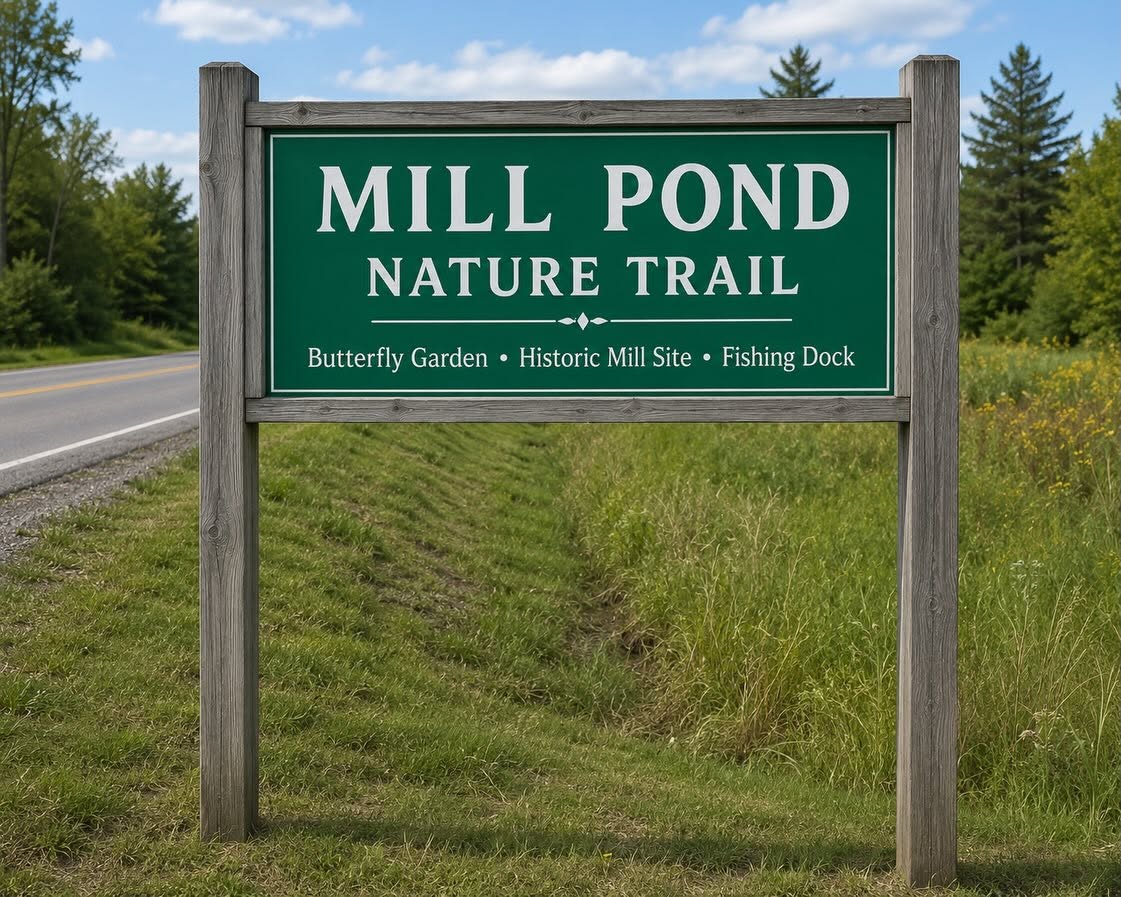
A 9-acre public lake north of Highway 8 with shoreline access, dock seating, picnic space, a pavilion area, a small beach, family photo spots, and a youth ice fishing tradition when ice conditions allow.
Open Mill Pond Guide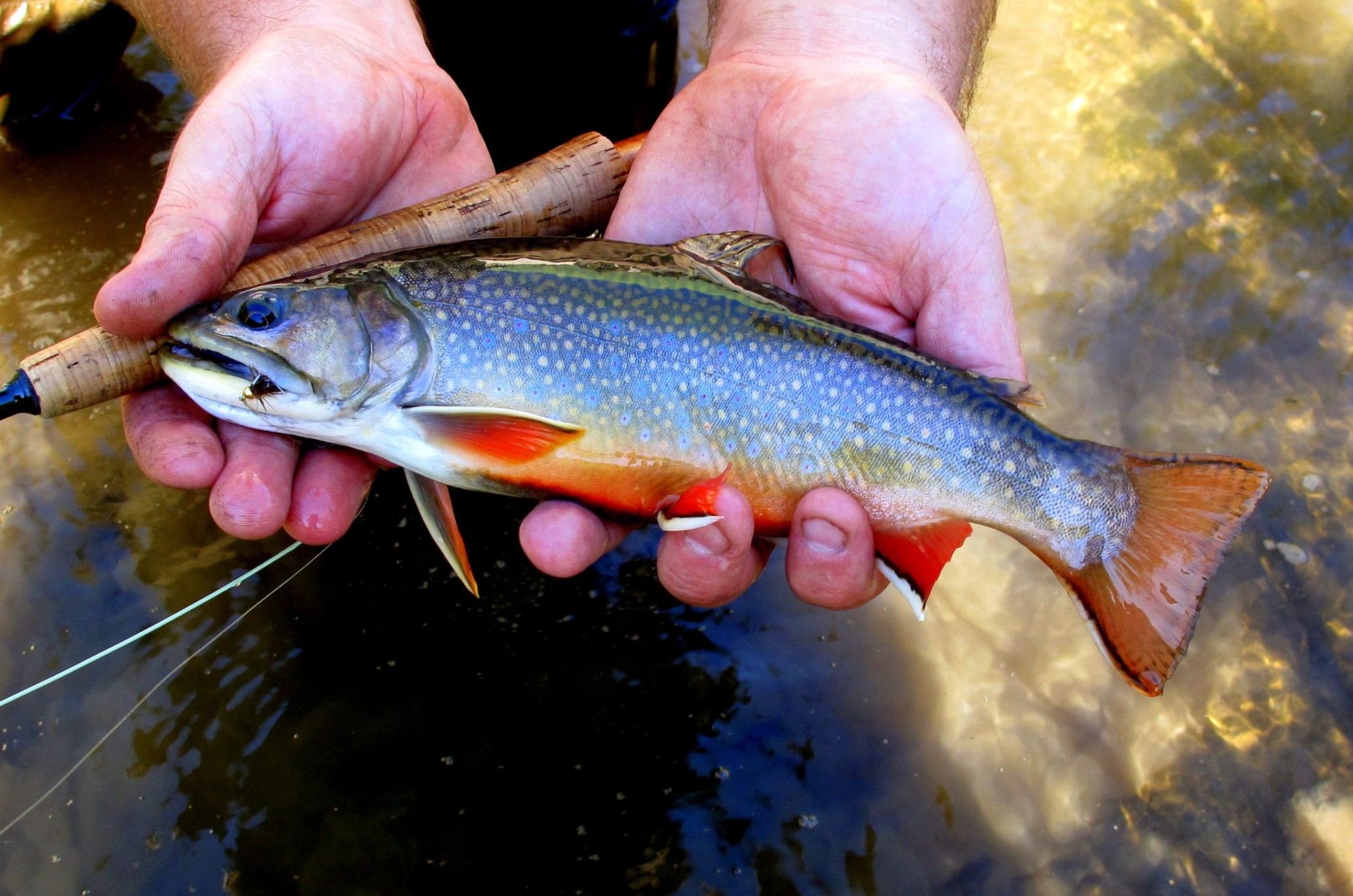
The South Fork of Main Creek runs through Hawkins and gives the village a real water story: trout fishing, cold-water habitat, quiet banks, and the kind of creek kids remember long after they move away.
Open Main Creek GuideNorth on County Road M, Hawkins becomes the gateway to the South Fork of the Flambeau River. Slough Gundy — often said locally like “Slugundy” — and Little Falls bring boulders, cedar, whitewater, picnic views, hiking, fishing, and deep-woods pride.
Open Slough Gundy Guide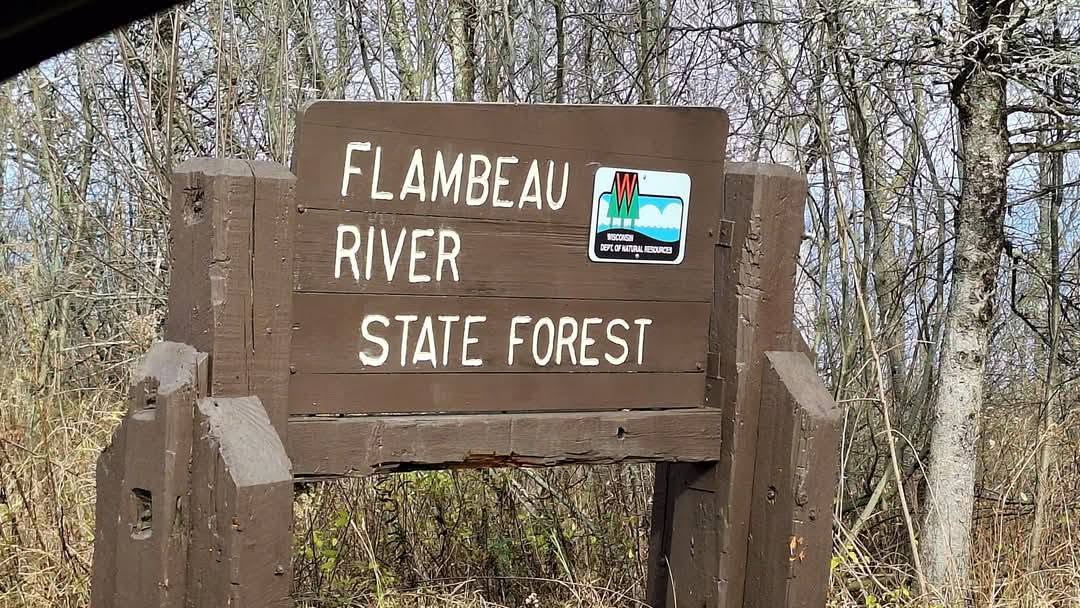
The forest north of Hawkins brings camping, hunting, fishing, paddling, hiking, ATV/UTV access, snowmobile routes, rustic roads, and the feeling that the woods are still bigger than the problems you drove away from.
Flambeau Forest Section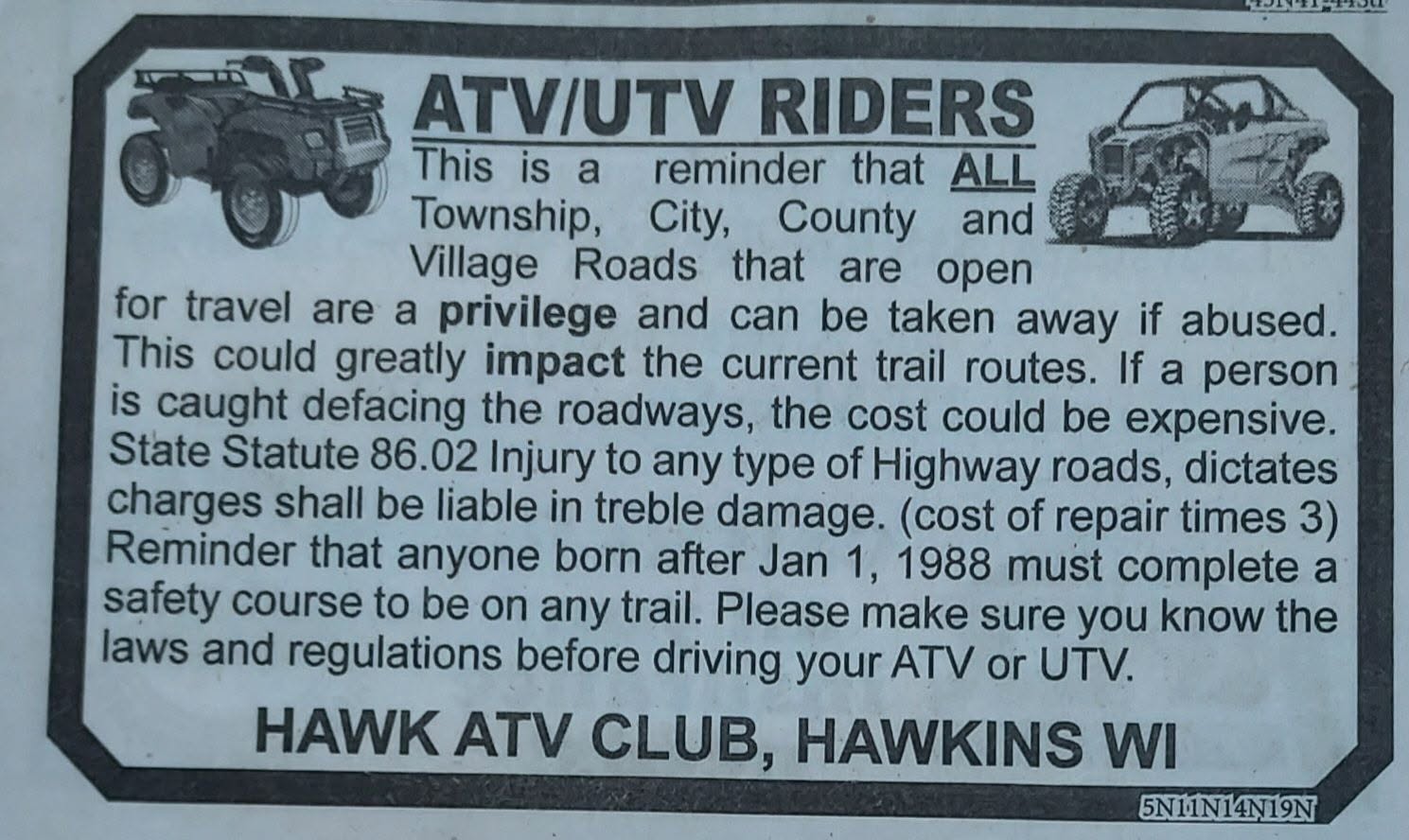
H.A.W.K. gives Hawkins real riding relevance. Riders need route reminders, seasonal cautions, map links, fuel, food, local stops, and businesses that welcome ATV and UTV traffic.
Open ATV / UTV Guide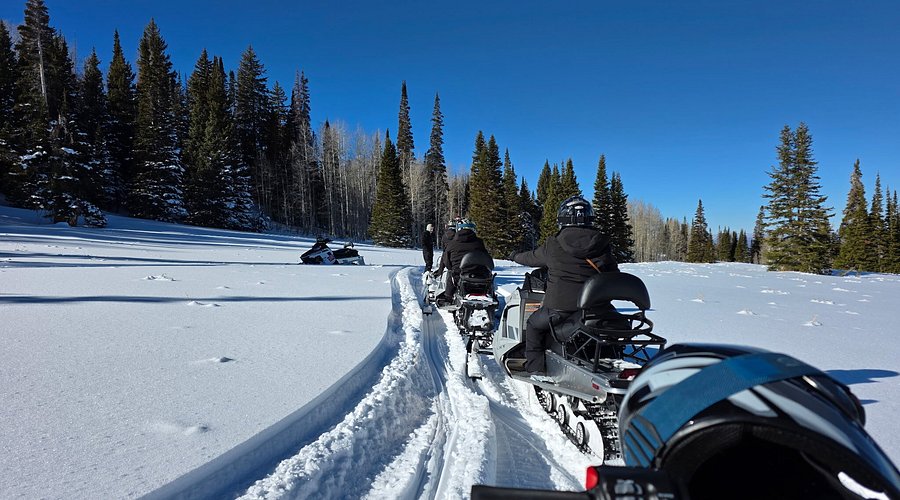
The Sno-Hawks are part of the local winter trail story. Hawkins should connect riders to routes, trail-condition reminders, club support, safety notes, and local business visibility.
Open Snowmobile Guide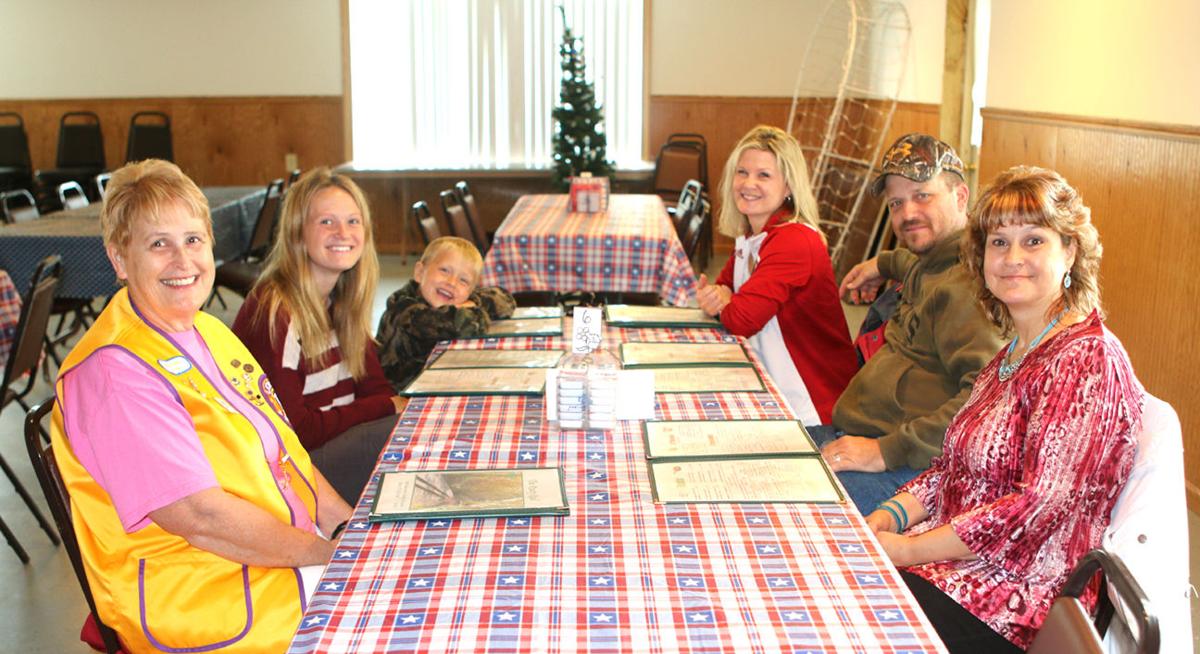
Harvest Festival is the homecoming weekend: chicken, bingo, pie, Hawkins Motorsports, kids’ games, entertainment, the kiddie parade, the big parade, and the park full of people who still care.
Open Harvest Festival Guide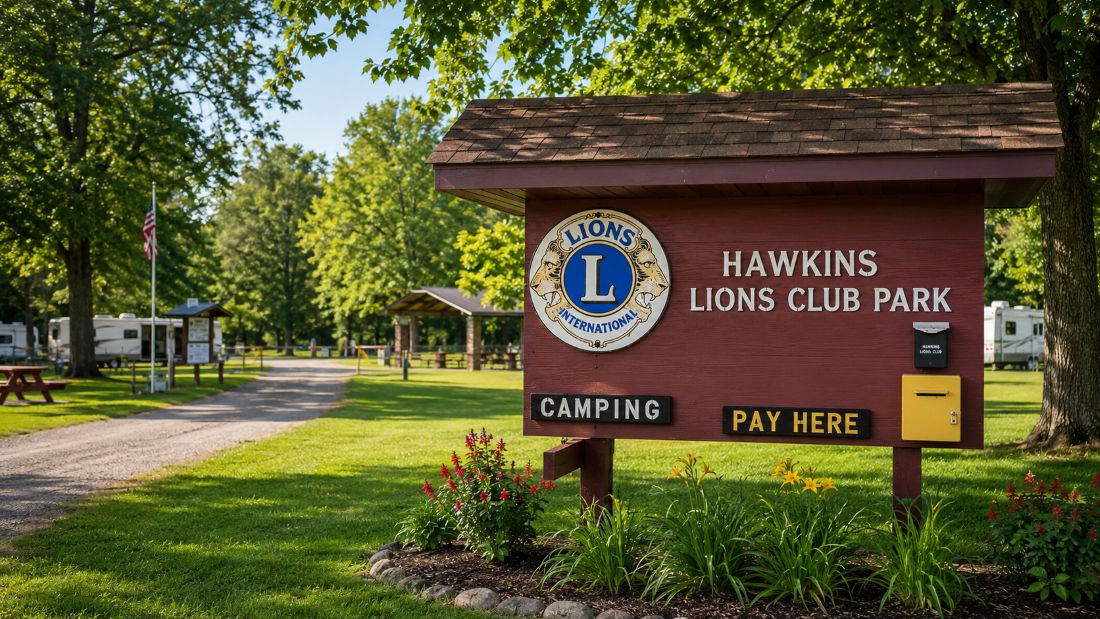
Camping, rentals, playground, ball field, pavilion, kitchen, dance hall, community events, t-ball, softball, fundraisers, and the park infrastructure that keeps Hawkins gatherings alive.
Park, Camping & Rental Details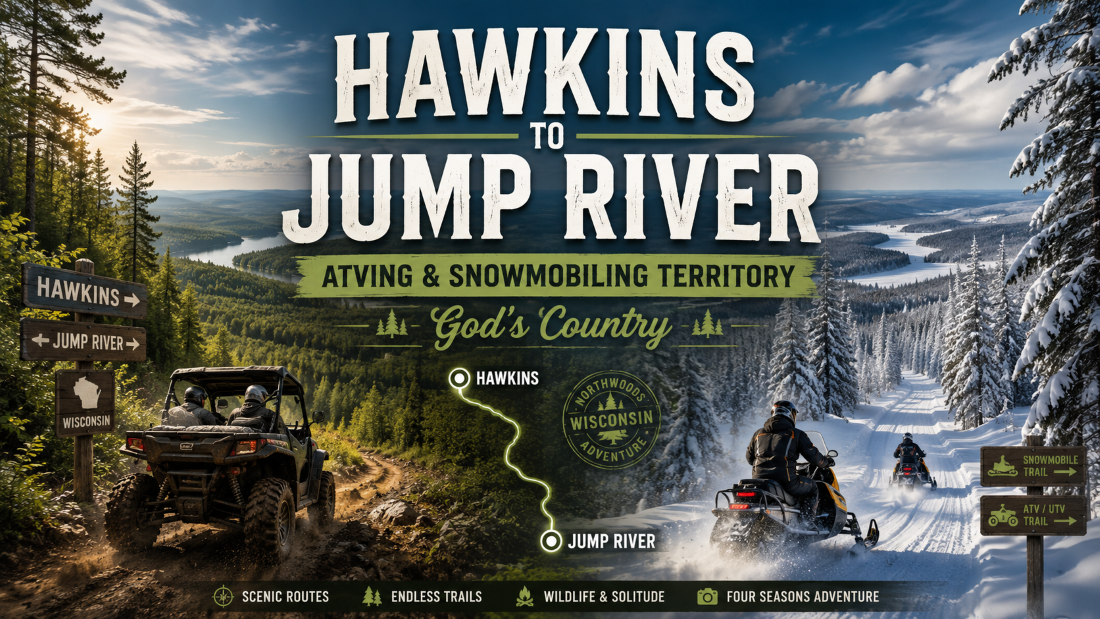
South of Hawkins, toward Jump River, the country opens into county and consolidated land, backroads, hunting access, rabbit and grouse cover, deer sign, fishing water, and the quiet ground locals know by memory.
Open Public Land GuideA pretty community page is not enough. Every Hawkins attraction needs a path to businesses, events, maps, contacts, club pages, park information, and Chamber listings. That is how this becomes more valuable than a static municipal website: it informs residents while also driving real attention to Hawkins.
North of Hawkins, the road changes. The village gives way to Rusk County Forest, state forest country, cedar, rock, river, swamp, and long stretches where the woods feel older than your problems.
The Flambeau River State Forest provides backcountry recreation with wooded hiking trails, ATV and snowmobile trails, camping, rustic river sites, hunting, fishing, and paddling. The road north on County M puts Hawkins within reach of one of the strongest wilderness experiences in the region.
Little Falls and Slough Gundy sit on the South Fork of the Flambeau River north of Hawkins. The area is known for rugged whitewater, large boulders, cedar, fishing, picnic opportunities, and deep-forest river views.
Local note: The forest north of Hawkins is real country. Check current maps, watch road conditions, respect gates and private property, bring what you need, tell someone where you are going, and leave it better than you found it.
These supporting guides turn Hawkins into a real online hub. Each guide can answer questions, link back to local businesses, support clubs, promote events, and show that the Chamber platform can do more than host a municipal menu.
Directions from Hawkins, County M access, South Fork river views, rocks, cedar, safety notes, picnic and fishing context.
View GuidePublic access, dock, pavilion, shoreline, small beach, youth ice fishing, family photos, and year-round use.
View GuideCreek overview, access respect, trout notes, fishing reminders, conservation, and Hawkins water identity.
View GuideSno-Hawks, trail connections, groomer shed, warming shelter, maps, conditions, club support, and winter planning.
View GuideH.A.W.K., routes, seasonal reminders, county forest rules, local stops, maps, parking, and rider-friendly businesses.
View GuideLabor Day weekend, chicken, bingo, pie, parades, Hawkins Motorsports, parking, vendors, and local events.
View GuideCounty forest access, hunting notes, rabbit and grouse cover, backroads, maps, land respect, and seasonal reminders.
View GuideVillage services, schools, utilities, parks, businesses, clubs, outdoor access, and practical new-resident information.
View GuideThe village works year-round because the same assets change purpose: the Mill Pond, Main Creek, Lions Park, County M, public land, forest roads, snowmobile corridors, ATV/UTV routes, school families, clubs, churches, and local businesses.
Water rises, park planning starts, riders watch conditions, residents look for clean-up notices, and Village business picks up.
Lions Park, Mill Pond, ATV/UTV riding, camping, family visits, forest trips, and local events carry the summer energy.
Labor Day weekend brings Hawkins home. Then hunting season, fall color, grouse cover, public land, and local businesses matter.
Sno-Hawks trails, winter routes, ice fishing traditions, utility reminders, school activity, and community support keep Hawkins moving.
Helpful links should be organized by purpose so residents do not have to guess where to click and visitors do not leave the Hawkins network before they find local businesses, events, and guides.
Use the official Village site for current notices, agendas, minutes, forms, permits, payments, elections, and municipal authority.
Village WebsiteFind local food, fuel, services, repairs, churches, contractors, community resources, and trail-friendly stops.
Find BusinessesFind Harvest Festival activity, park events, motorsports, fundraisers, youth fishing, school events, and community notices.
View EventsSchool calendars, athletics, transportation, family information, and district identity connect Hawkins families to the broader rural district.
School DistrictHawkins did not begin as a tourism slogan. It began as forest, creek bottom, swamp, railroad grade, sawmill work, schoolhouses, churches, stores, hotels, mills, factory jobs, village services, and the stubborn kind of community that had to rebuild when fire, consolidation, and economic change came through.
The Hawkins story is strongest when it is told in layers: the land and water before the railroad, the Soo Line station, the sawmill boom, the first schools, the early street grid, the factory era, school consolidation, the long industrial run of Northern Sash and Door / Norco / JELD-WEN, and the present-day shift toward village services, local businesses, clubs, trails, parks, Harvest Festival, and the Flambeau River State Forest gateway identity.
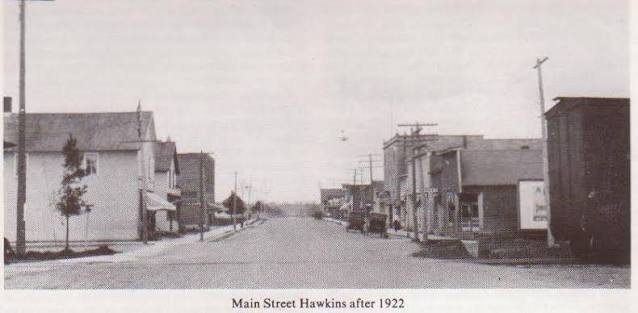
Before the railroad came through, the area around present-day Hawkins was forested and cut by Main Creek and its tributaries, with swampy lowlands along those branches. That matters because the village’s story was never separate from water, timber, and transportation. Main Creek was not decoration. It was part of the land pattern that shaped where the station and early settlement formed.
In 1884, the Minneapolis, St. Paul and Sault Ste. Marie Railroad — the Soo Line — built through the area. The railroad created a station near where the line crossed the South Fork of Main Creek, and that station became the beginning of Hawkins as a named place.
The source of the Hawkins name is not fully settled. The most likely explanation is that it was named for Marsh P. Hawkins, an officer connected to the railroad. Other explanations have also been repeated locally or historically, including a lumberman named Hawkins or a Norwegian-settler connection to King Haakon of Norway. The honest version is better than pretending certainty: Hawkins is a railroad town whose name story still carries a little mystery.
The early Hawkins area was forest, creek, tributaries, and swampy lowlands. That landscape explains why timber, rail, creek crossings, and later forest access became central to the community story.
The railroad did not just pass through. It created a station near the South Fork of Main Creek, giving the settlement a transportation reason to exist and a way to move lumber, goods, people, and mail.
Hawkins was most likely named for Marsh P. Hawkins of the railroad, but other explanations survive. That uncertainty should be presented as part of the story rather than hidden.
Over time, the village’s transportation identity shifted from rail-first to road-and-trail-first, with U.S. Highway 8 and County Road M shaping how residents, visitors, riders, hunters, and forest users experience Hawkins today.
The Hawkins area was part of a heavily forested Northwoods landscape shaped by Main Creek and its branches. The creek, wet ground, timber, and later rail crossing became the physical foundation of the community.
The Minneapolis, St. Paul and Sault Ste. Marie Railroad built through the Hawkins area in 1884. A station was created near the railroad crossing of the South Fork of Main Creek, giving the future village its first real transportation anchor.
An 1888 township map showed a siding and depot, a few buildings north of the rail line, and tote-road connections. One road ran along the railroad from the west, then turned south toward Jump River country. Hawkins was already becoming a working connection point.
The first Hawkins sawmill is credited to C.P. Crosby in 1898. Other sawmills followed, and the town grew around lumber work, rail shipping, boarding houses, stores, hotels, and practical services for a working mill community.
Early Hawkins had a small log school that served only a handful of students. Another school building was added in 1899, and a four-room, two-story school was built in 1903 as the town grew beyond the first rough settlement stage.
By 1914, maps showed residential blocks, two churches, a school, and a rail spur into the Ellingson Lumber Company yard. Hawkins had moved from rail stop to structured village, with school, church, homes, industry, and rail all visible in the layout.
Hawkins High School was built in 1916, followed by a graded elementary school in 1921. That gives the village an education history worth telling, especially because school identity later changed through consolidation.
A cheese factory opened in 1920, adding agriculture and dairy processing to the local economy. Hawkins was no longer just timber and rail. It was becoming a mixed rural-industrial service village.
Northern Sash and Door opened in 1922, beginning one of the most important industrial chapters in Hawkins history. The plant later burned, rebuilt, changed names, and eventually became part of the long Norco and JELD-WEN manufacturing story.
Many Hawkins businesses burned during the 1920s and 1930s. Most rebuilt. That matters because the story is not just growth. It is fire, loss, rebuilding, and a village that kept putting itself back together.
In 1967, the Hawkins School District merged with Ladysmith, and high school students were bused to Ladysmith. That same broader era also includes the fire at the Northern Sash and Door plant, which rebuilt and continued as a major employer instead of disappearing.
In 2009, Hawkins detached from the Ladysmith district and joined the School District of Flambeau. Today, Hawkins families are part of the Flambeau Falcons story, connecting the village to Tony, Ingram, Glen Flora, Conrath, Sheldon, and the surrounding rural school community.
JELD-WEN announced the closure of the Hawkins manufacturing facility in 2024, with operations consolidated into the company’s wood windows facility in Rantoul, Illinois. The Hawkins site had about 340 associates, making the closure a major economic marker in the village’s modern history.
Today’s Hawkins story is built around Village Hall, Lions Park, Mill Pond, Main Creek, Harvest Festival, H.A.W.K., Sno-Hawks, local churches, public works, fire volunteers, Flambeau schools, ATV/UTV access, snowmobile routes, Little Falls, Slough Gundy, and County Road M leading north into Flambeau River State Forest country.
Hawkins history is not one clean sentence. It is a sequence of hard-working identities. First came forest and creek. Then railroad. Then sawmills and town blocks. Then schools and churches. Then cheese, sash, doors, windows, and factory jobs. Then school consolidation. Then modern village services and outdoor access.
The better story is this: Hawkins was a railroad-made mill town built beside Main Creek, hardened by sawmills and fires, shaped by schools and churches, anchored for generations by window and door manufacturing, and now positioned as a village-services hub and outdoor gateway to some of the strongest forest country in Rusk County.
That is the story residents can recognize. It gives older residents something real, gives younger families a reason to care, gives visitors a reason to stop, and gives local businesses a stronger identity to stand behind.
Each nearby community has its own identity, businesses, events, schools, outdoor access, and local story. Hawkins stands out as the village gateway to Flambeau Forest country, while also connecting back to the broader Rusk Area community network.